Whirlpool massage – indications, contraindications, and treatment effects
Whirlpool massage is one of the hydrotherapy treatments. This therapy uses both warm and cold water to improve circulation, address degenerative joint changes, and support rehabilitation after injuries and musculoskeletal disorders.
On this page
What is whirlpool massage?
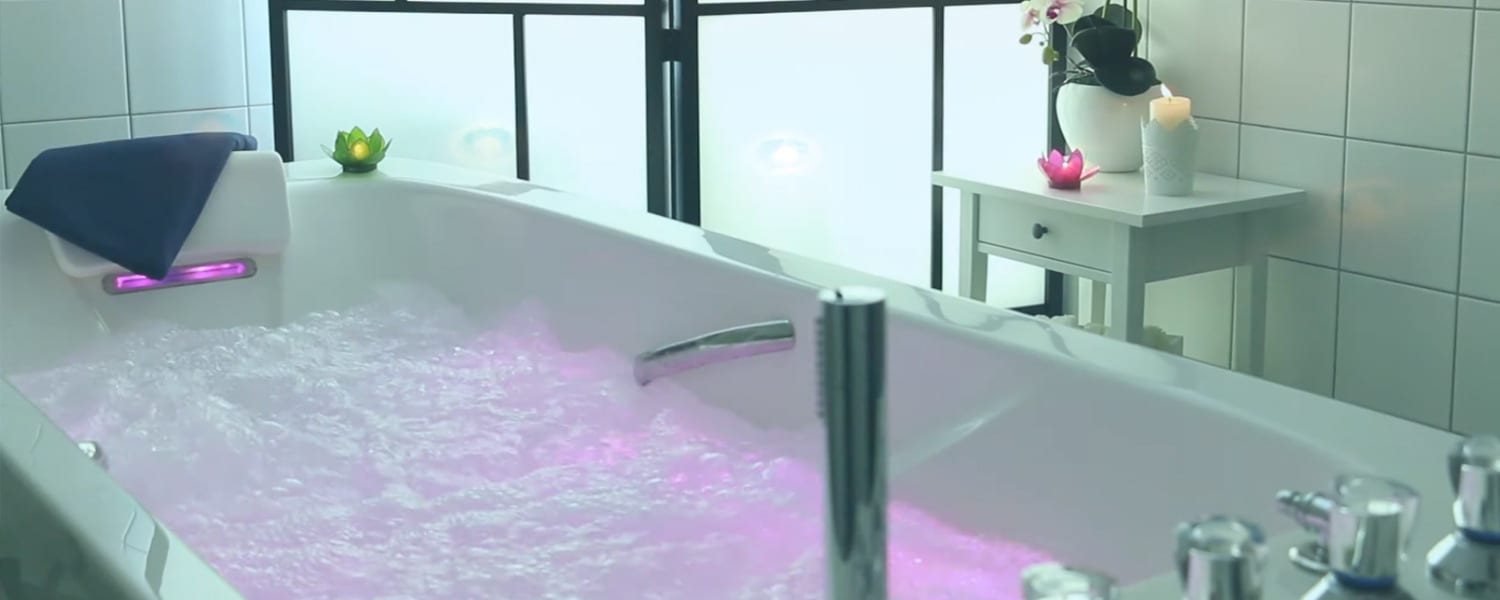
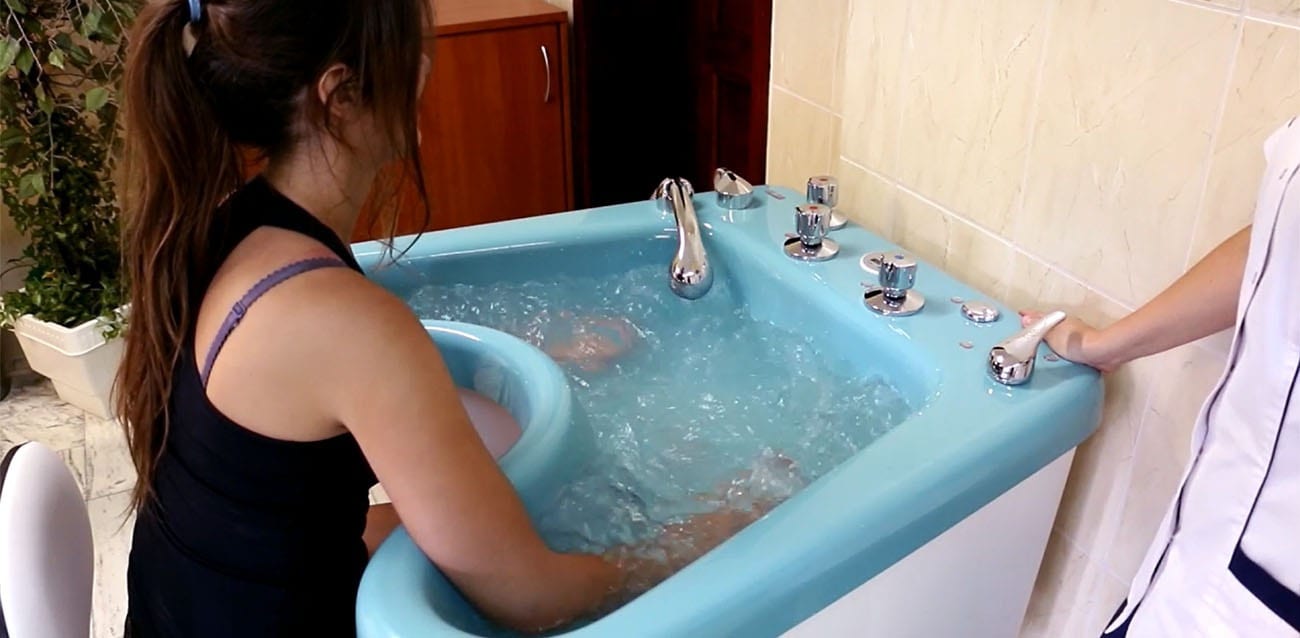
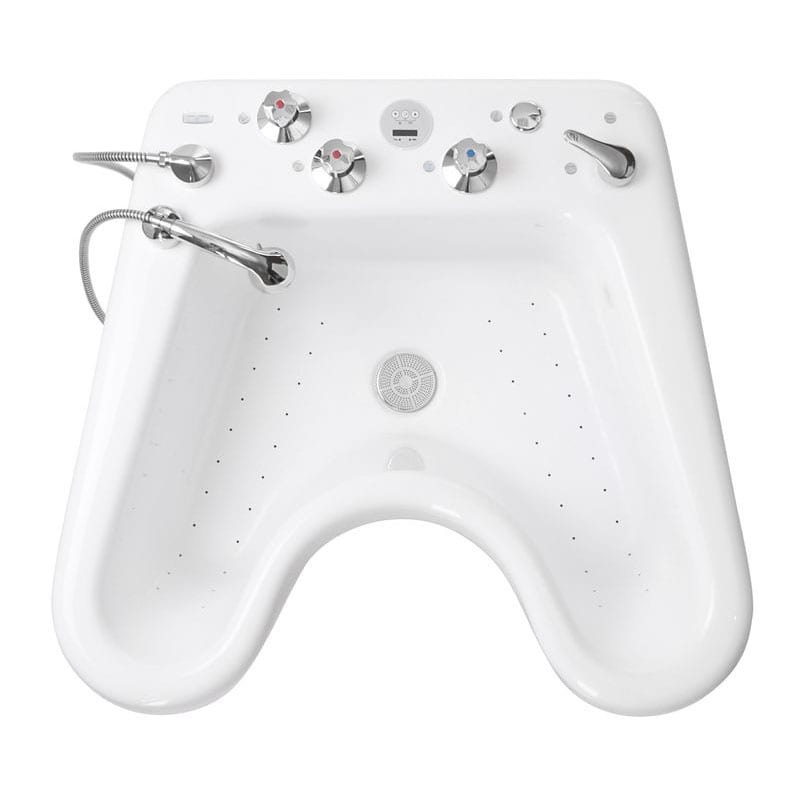
Whirlpool massage is a type of hydromassage performed in specialized tubs equipped with high-efficiency nozzles that set the water into a swirling motion.
Baths with whirlpool massage are particularly recommended for post-traumatic and rheumatic conditions, as well as for relieving fatigue of the neuromuscular system. Whirlpool massages may be applied to the upper limbs, lower limbs, or spine.
Applications of Whirlpool Massage
A whirlpool bath relaxes tissues, reduces muscle tension, increases blood and lymph flow, exerts analgesic effects, and diminishes swelling caused by disease, injury, or accident. By using whirlpool massage, patients can enhance their quality of life, reduce pain, and accelerate their return to full functional capacity. Whirlpool baths are suitable for people of all ages.
Key therapeutic effects include:
- Analgesic action
- Increased blood and lymph circulation
- Anti-edema effect
- Reduction of venous blood stasis
- Muscle relaxation
- Improved range of motion
Indications for Whirlpool Massage
Whirlpool massage is indicated for individuals with:
- Musculoskeletal injuries and disorders – Patients recovering from soft-tissue injuries, ligament sprains, joint capsule irritations, fractures, or bruises; those who have experienced prolonged immobilization and suffer from increased muscle tone, contractures, or limb and spinal pain syndromes.
- Peripheral circulatory disorders – Individuals with thrombophlebitis, impaired perfusion of the lower and upper limbs, and patients following surgical treatment of varicose veins.
- Rheumatic diseases of the limbs – Persons with myofascial rheumatism, degenerative joint diseases (osteoarthritis), and chronic inflammatory arthritis.
Summary of indications:
- Post-traumatic conditions
- Chronic arthritis
- Periarticular inflammation
- Scar contractures
- Neuralgia and myalgia
- Rheumatic diseases affecting upper or lower limbs
- Circulatory disorders and post-thrombotic states
- Early stages of stenosing arteritis
- Raynaud’s phenomenon
- Post-frostbite, dislocations, and sprains
- Soft-tissue injuries
- Post-polio syndrome
- Post-surgical varicose vein treatment
- Prolonged immobilization
- Flaccid paralysis or spastic muscle hypertonia
- Lymphatic edema
Contraindications to Whirlpool Massage
Whirlpool massage is contraindicated for those who have skin diseases in the treatment area, suffer from thrombotic disease and circulatory insufficiency. Patients who have wounds, eczema or purulent skin conditions. Whirlpool massage must also not be performed on people who are in the throes of infection, fever, diabetic polyneuropathy (diabetic foot), uncontrolled hypertension or circulatory insufficiency.
Whirlpool massage is contraindicated in individuals with:
- Skin diseases in the treatment area (e.g., open wounds, eczema, purulent infections)
- Active thrombosis or severe circulatory insufficiency
- Acute infections or fever
- Diabetic polyneuropathy (diabetic foot syndrome)
- Uncontrolled hypertension
- Heart or vascular diseases (e.g., severe atherosclerosis, Sudeck’s atrophy, hemophilia)
- Varicose veins (active or complicated)
- Malignant neoplasms
- Osteoporosis
Types of Whirlpool Massage Devices
Whirlpool massage can be applied to three body areas. Meden-Inmed offers the following whirlpool bath devices:
- WKR – Device for whirlpool massage of the lower limbs and spine. Provides an effective two-zone whirlpool massage and meets the needs of the most demanding users.
- WKD – Device for whirlpool massage of the lower limbs. This rehabilitation whirlpool features six directional nozzles and an automatic filling system.
- WKS – Device for whirlpool massage of the feet and calves. Equipped with 38 nozzles, ergonomic design, and water-economizing technology, the WKS is an essential hydrotherapy cabinet accessory.
- WKG – Device for whirlpool massage of the upper limbs. With 44 nozzles, ergonomic design, and economical water consumption, the WKG is a standard feature in rehabilitation clinics.
Whirlpool Massage of the lower limbs
Whirlpool massage of the lower limbs is a form of hydrotherapy widely used in rehabilitation, sports medicine, and health prevention. It employs a swirling water flow around the lower limbs, enabling simultaneous massaging and tissue stimulation. This therapy helps relieve pain, reduce edema, improve circulation, and accelerate regeneration processes.
Devices:
- WKD – Dedicated to the lower body (feet, calves, thighs). Controlled water streams enhance circulation and muscle flexibility, making it ideal for post-injury rehabilitation and preventive care.
- WKR – Multifunctional device for both lower limbs and spine. It supports simultaneous therapy for legs and back, offering comprehensive rehabilitation for musculoskeletal issues.
Regular use of lower-limb whirlpool massage with either WKD or WKR brings numerous health benefits, including better tissue oxygenation, faster regeneration, and reduced pain.
Summary
Whirlpool massage relaxes tissues, decreases muscle tension, improves blood flow, and relieves pain. It is an excellent adjunct to rehabilitation, facilitating faster recovery of musculoskeletal function after injuries. Additionally, the gentle swirling action soothes sore tissues, promotes relaxation, and stimulates the removal of metabolic waste products.